Case study: Specialty Infrastructure & Civil

How energy, utility, and infrastructure contractors unify procurement, logistics, and jobsite workflows across complex, multi-phase projects.

The Customer

Specialty infrastructure and civil contractors operate in some of the most demanding environments in the country:

  • Utility & power generation
  • Grid modernization
  • Transmission & distribution (T&D)
  • Energy infrastructure
  • Municipal tunneling
  • Civil excavation & trenching
  • Storm, hurricane & disaster response
  • Pipeline & industrial maintenance
  • Highway & public works

They can range from fast-growing innovators to Fortune 500 energy providers, with annual rental and equipment spend anywhere from $3M to more than $100M depending on region and structure.

Examples include:

  • A Southern U.S. energy contractor responsible for power infrastructure across an entire region
  • National utilities performing multi-state maintenance & upgrade programs
  • Municipal tunneling contractors building underground transport corridors
  • Large oil & gas operators managing pipeline, drilling, and civil work
  • Emergency-response infrastructure crews rebuilding after storms

Each performs a mix of:

  • Heavy civil construction
  • Crane-intensive lifts
  • Excavation
  • Boring and tunneling
  • Transmission pole replacements
  • Substation upgrades
  • Long-term maintenance projects
  • Rapid-response storm repair work

Equipment portfolio:
Cranes, lifts, excavators, trenchers, light towers, generators, welding gear, compressors, vacuum trucks, environmental equipment, debris management, and more.


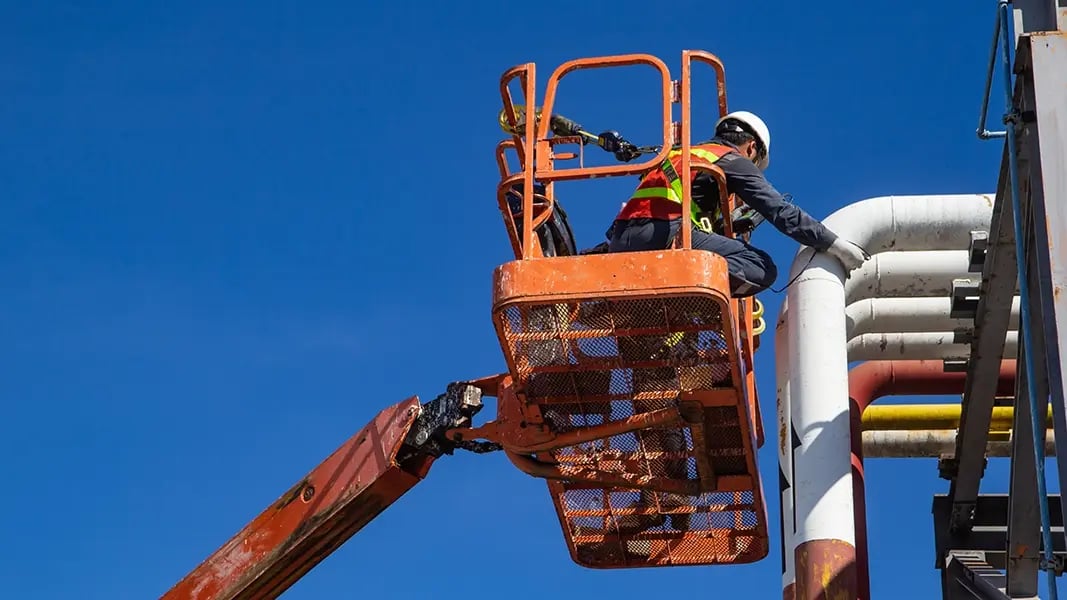
infrastructure
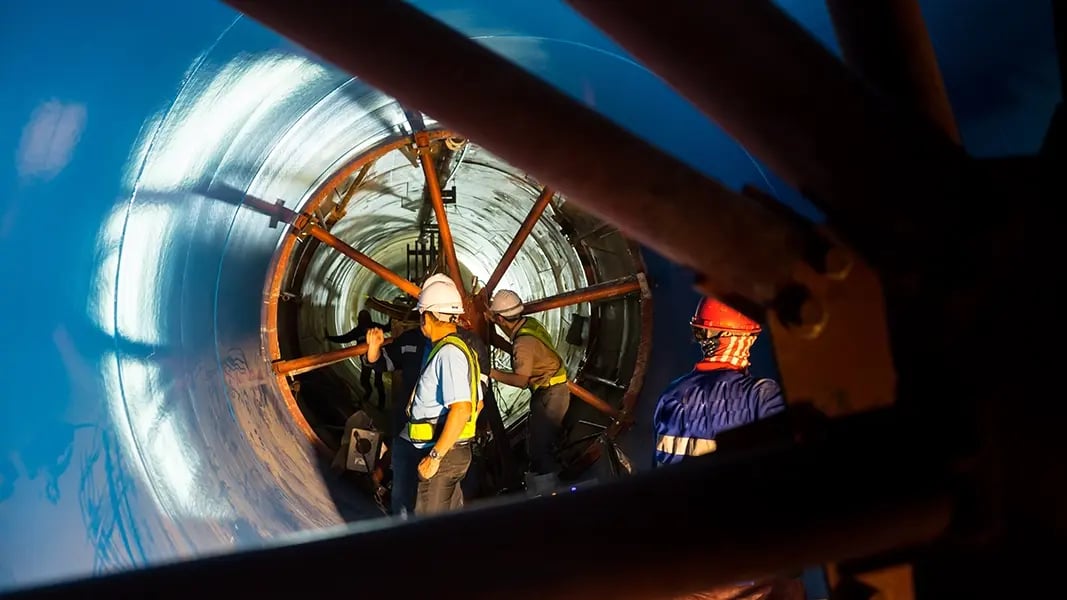
pipeline

Their Challenges

Even sophisticated energy and civil infrastructure contractors face three systemic issues:


1. Fragmented Procurement Across Multiple Vendors & Regions

For energy and infrastructure work, equipment comes from all over:

  • Heavy cranes from one supplier
  • Excavators or trenchers from another
  • Aerial equipment from a national provider
  • Specialty tools from niche vendors
  • Emergency rentals during outages from whoever answers fastest

Even the most mature procurement organizations struggle with:

  • Visibility across multiple vendor agreements
  • Rate-card variance between regions
  • Different hauling zones
  • Emergency mobilization fees
  • Conflicting billing structures
  • Inconsistent workflows from crew to crew

SiteStack brings uniformity, even for organizations that already negotiate hard.

2. Zero Standardized Workflow Across Field, Procurement, and AP

This applies universally:

  • Startups using a patchwork of Google Sheets, emails, PDFs, and SharePoint
  • Mid-market contractors with basic purchasing systems
  • Fortune 500 utilities with robust ERP purchasing modules but no field workflow discipline

In every case:

  • Field teams book equipment differently
  • POs don’t map to job phases
  • Approvals are inconsistent
  • Vendors overbill or mis-bill
  • AP departments get buried during storm events or major outages
  • No system shows actual vs. estimated cost as work shifts location

Even the largest utilities cannot connect jobsite geography to supplier geography and hauling economics.

SiteStack is built for exactly this gap.

3. Peaks, Surges & Disaster Response Break All Traditional Systems

Infrastructure work is predictable… until it isn’t.

  • Hurricanes
  • Ice storms
  • Floods
  • Wildfires
  • Grid failures
  • Municipal emergencies
  • Tunnel collapses
  • Stormwater system overloads

When these occur:

  • Equipment must be mobilized fast
  • Logistics become chaotic
  • POs break
  • AP backlogs explode
  • Inconsistent sourcing leads to massive cost variance
  • Idle rentals go unnoticed
  • Equipment gets stranded between sites

Existing procurement and ERP systems simply cannot handle surge complexity.

SiteStack can.

The SiteStack Solution


✓ A Single Operating Platform for Infrastructure Projects

Handles:

  • Requests
  • Approvals
  • Vendor selection
  • Deliveries
  • Hauls
  • Off-rents
  • Documentation
  • Storm surges
  • Multi-phase project tracking
  • Billing flows
  • Closeout packages

Across every vendor and every jobsite.

✓ Built for Civil & Infrastructure Jobsite Reality

The platform accounts for:

  • Long mobilization distances
  • Heavy-equipment hauling zones
  • Outage surges
  • Remote sites
  • Municipal permitting complexity
  • Environmental compliance
  • Multi-phase job costing

Traditional systems cannot.

✓ Designed for $5M–$100M+ Equipment Spend

Energy and civil organizations finally gain:

  • Real-time visibility
  • Vendor categorization and ranking
  • Rate-card consistency
  • True-up controls
  • Accurate cost projection
  • Idle rental prevention
  • Unit-by-unit spend intelligence
  • Centralized documentation and AP support

This is procurement + logistics + operations in one.

The Impact

➡ 15–20% Cost Improvements

Driven by:

  • Eliminating idle or lost rentals
  • Preventing billing discrepancies
  • Optimizing crane & heavy equipment mobilization
  • Standardizing workflows
  • Reducing surge-event waste

➡ National Consistency, Regional Flexibility

Procurement can finally enforce standards without slowing down the field.

➡ Full Visibility Across All Infrastructure Programs

From multi-year grid upgrades to emergency storm response.


Ready to get started? Speak to sales about how SiteStack can benefit your business.