A $100M national restoration contractor specializing in:
Their work is high-velocity, deadline-sensitive, geographically unpredictable, and financially scrutinized.
Annual equipment and logistics spend: $4M–$5M.
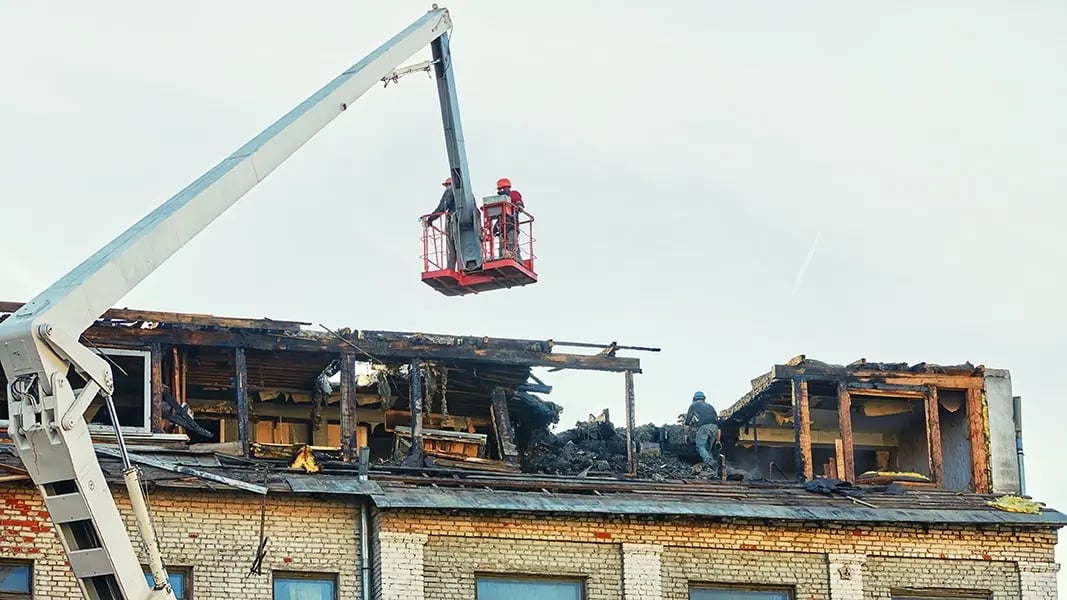
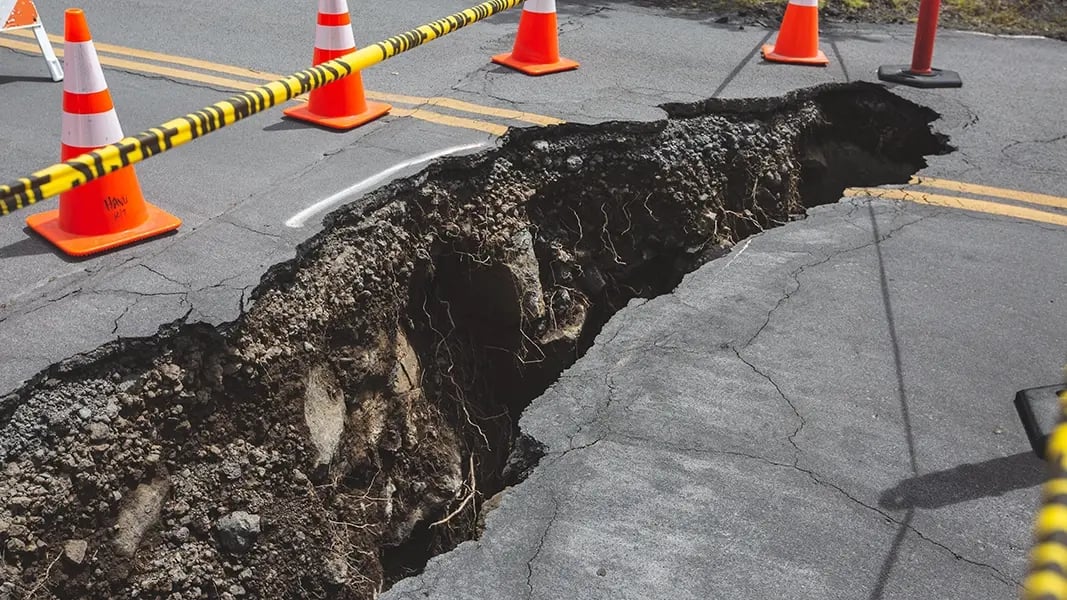
Unlike standard construction, restoration work is:
The contractor already used an off-the-shelf procurement system with limited customization.
It handled roughly 70–80% of simple purchasing tasks.
But it failed where restoration work gets expensive: urgent field execution, supplier mobilization, approval control, jobsite visibility, and financial documentation.
The existing procurement tool worked for:
But emergency restoration work requires more than purchasing. The system could not:
Field operations still relied on:
In fast-turn disaster response, this created cost leakage and operational chaos.
The company needed more than purchasing.
They needed:
Superintendents and project managers often needed equipment, dumpsters, services, or emergency support immediately — but leadership still required oversight.
The existing system gave the field speed, but not enough operational guardrails.
Restoration work often leads to:
Their procurement system did not integrate cleanly with:
As a result, finance had to manage disputes manually and reactively after the cost was already created.
When responding to storms or regional disasters, dozens of projects could be launched simultaneously.
Leadership lacked:
In high-pressure environments, that visibility gap becomes expensive.
SiteStack was positioned not as a replacement for simple purchasing — but as the procurement execution control layer their existing system lacked.
Instead of just creating POs, SiteStack:
This helped teams make faster supplier decisions without defaulting to habit, urgency, or whoever answered the phone first.
Field teams could:
Leadership could:
This gave the field speed while giving the business structure, visibility, and accountability.
Because SiteStack ties:
…finance teams gained a clean operational record tied directly to each job.
This reduced:
Restore-style contractors saw SiteStack not as a rental tool — but as a foundation for:
It became the system that connects urgent field execution to financial control.
Driven by:
Storm deployments and regional surges became:
Instead of retroactively cleaning up issues, the company could prevent more of them before they became invoice disputes.
Ready to control emergency response procurement before cost turns into a dispute?
