This vertical includes two major operator types with the same underlying execution problem: distributed teams need equipment fast, but leadership needs control over rental cost, supplier selection, utilization, and project visibility.
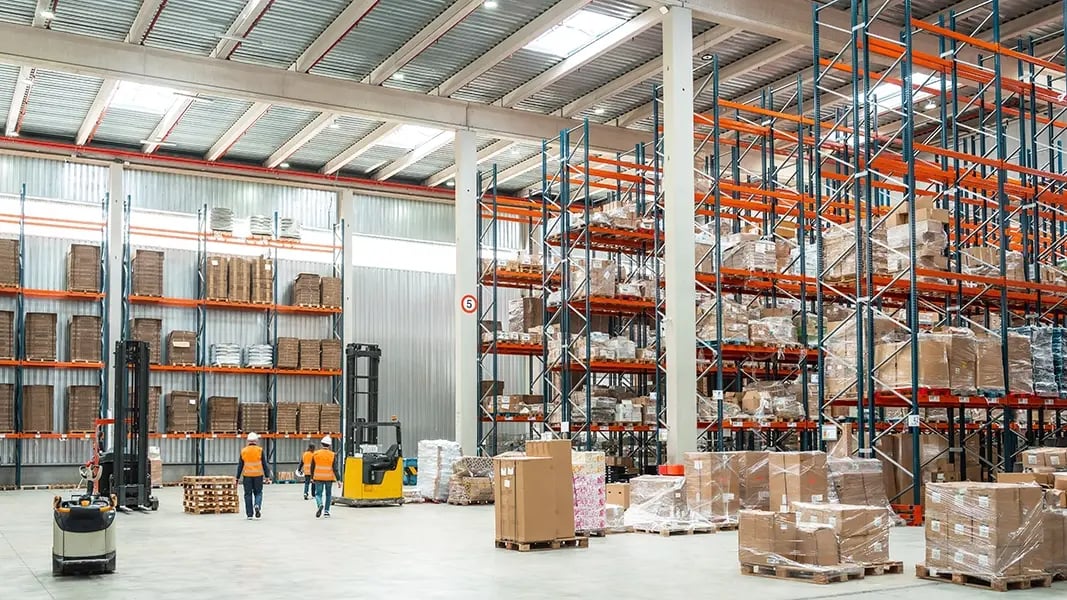
One example is a Fortune 500 distribution company running hundreds of warehouse and logistics centers across the U.S.
Typical annual rental spend: $5M–$6M
Use cases include:
Companies in the $150M–$200M range performing:
Typical annual rental spend: $3M–$5M
These projects rely on:
Despite being different types of companies, they share the same underlying problem:
High-volume, multi-site equipment needs create cost leakage when ordering is decentralized, supplier decisions vary by crew, and long-duration rentals are not actively controlled.
Whether it was:
…the result was the same:
Large warehouse operators had hundreds of independent ordering points.
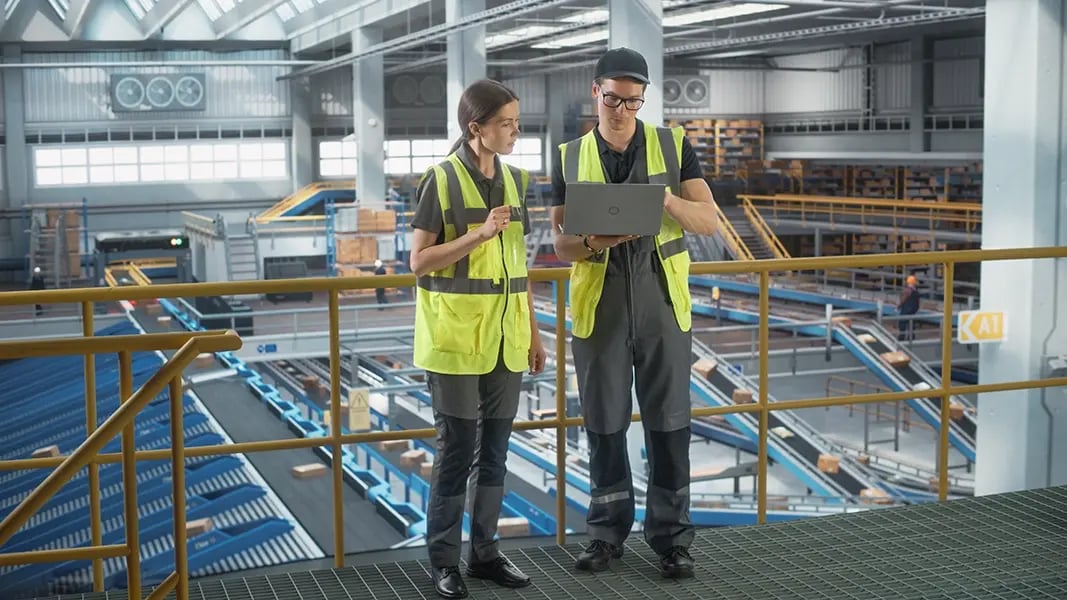
Installation contractors had crews spread across many long-duration projects.
Both lacked a central control layer for what was rented, which supplier served it, how long it stayed out, and what it actually cost.
On conveyor and racking jobs, assets might sit on rent for:
Equipment drifted.
Call-offs were inconsistent.
Owned tools and welders were not tracked consistently.
Idle rentals and assets sat unnoticed until invoices came in.
For warehousing operators:
For installation contractors:
Conveyor installers needed:
Warehouse operators needed:
Neither group had a controlled workflow connecting jobsites, suppliers, equipment, crews, and finance.
Despite being different business models, both customer profiles adopted SiteStack for the same reason:
To bring supplier selection, rental lifecycle, jobsite logistics, and financial visibility under one controlled process.
Whether the company had:
SiteStack became the controlled workflow for:
This replaced fragmented ordering with a repeatable process.
SiteStack automatically ranked vendors based on cost, distance, availability, hauling, and performance. It helped:
Warehouse managers stopped defaulting to whoever they used last time. Conveyor crews stopped guessing which supplier to use at each logistics hub.
Leadership could finally see:
A single operating view of rental activity and cost exposure.
Customers consistently reported:
A cleaner workflow from request through invoice instead of dozens of disconnected touchpoints.
Driven by:
From warehouse operations to conveyor installation crews, the organization operated from one consistent procurement execution workflow.
SiteStack helped keep rentals and assets aligned with project phases instead of being forgotten in the corner of a massive distribution center.
Ready to control rental and jobsite logistics across warehouses, racking projects, and conveyor installations?
